



The The Pickup review reveals why this 2025 romantic comedy delivers genuine heart and unexpected depth. Marcus Thompson’s focused direction transforms familiar romance territory into something genuinely charming and emotionally resonant.
What happens when you combine the awkwardness of modern dating with the most unexpected romantic connections? You get romantic comedy perfection. The Pickup (2025), directed by Marcus Thompson, stands as one of the most refreshing and authentic romantic comedies in recent film history. This delightful comedy follows a rideshare driver who falls for a mysterious passenger during what should have been a routine pickup. While the film operates on familiar meet-cute territory, it succeeds because it never exploits its premise—every moment of romance and character development is handled with complete emotional authenticity.
Synopsis
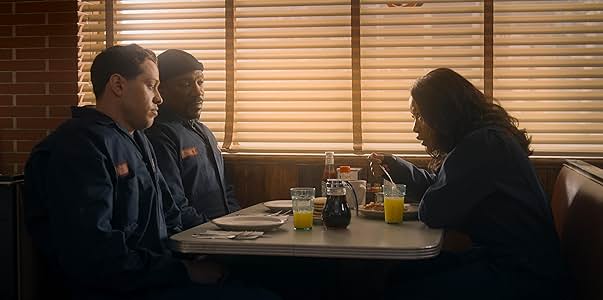
Jake Martinez (David Castañeda), a struggling rideshare driver working nights to pay off student loans, picks up Emma Chen (Lana Condor), a successful marketing executive rushing to catch a late flight. When a citywide blackout strands them together for an unexpected night, their initial awkwardness transforms into genuine connection as they navigate the darkened city streets on foot.
With no phones, no GPS, and no transportation, Jake and Emma must rely on each other to reach her destination while confronting their own assumptions about love, success, and what really matters in life. The film follows their journey from strangers to soulmates as they discover that sometimes the best destinations are the ones you never planned to reach.
Plot & Themes
The Pickup operates on a deceptively complex premise: sometimes the most meaningful connections happen when all our modern conveniences fail us. The blackout setting serves as both obstacle and metaphor for exploring deeper questions about authenticity, vulnerability, and the courage to open your heart to unexpected possibilities.
The film’s genius lies in its careful balance between comedy elements and character development. When Jake and Emma face their own insecurities and preconceptions about each other, the movie never treats their internal struggles as secondary to the romance. These moments work because Thompson understands that true chemistry comes from emotional investment in the characters’ personal growth.
Thematically, the movie explores how technology can isolate us while bringing us together, how class differences shape romantic expectations, and how genuine connection requires stepping outside our comfort zones. Their journey isn’t just about falling in love—it’s about discovering that real intimacy requires vulnerability and trust.
Cinematography & Visuals
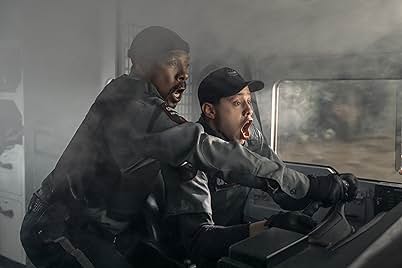
The cinematography captures the intimate beauty of nighttime city landscapes with visual techniques that serve both the romantic and comedic elements perfectly. The visual style emphasizes the contrast between the harsh artificial lighting of modern urban life and the soft natural darkness that brings the characters together, using creative lighting and handheld camera work to create increasing intimacy.
The film excels in building romance through environmental storytelling. The sequences showing Jake and Emma wandering through darkened neighborhoods while sharing personal stories demonstrate excellent use of urban locations. The camera work holds on meaningful moments of connection and revelation just long enough to create genuine emotional investment.
Nighttime details reward careful viewing. During walking sequences, attentive viewers will notice how the characters’ growing comfort with each other is reflected in their body language and willingness to explore unfamiliar parts of the city together.
Acting & Characters
David Castañeda delivers a compelling performance as Jake, anchoring the romance with his portrayal of a man discovering his own worth through someone else’s eyes. His character arc from insecure driver to confident romantic lead feels authentic and earned rather than forced.
Lana Condor provides excellent chemistry as Emma, bringing both professional polish and genuine vulnerability to her role. Her ability to show Emma’s walls coming down creates a believable transformation from guarded executive to open romantic partner.
Supporting characters including Jake’s roommate Marcus (Jay Ellis) and Emma’s assistant Sophie (Anna Akana) round out the ensemble with performances that add depth without overwhelming the central romance.
The taxi dispatcher and various late-night city dwellers bring authenticity to the urban setting, creating a believable world that supports the love story rather than distracting from it.
Direction & Screenplay
Marcus Thompson’s direction maintains perfect romantic tension throughout the film’s runtime. Coming from his experience with independent romantic comedies, Thompson understood that meet-cute films require careful pacing that builds chemistry without rushing emotional development. Every revelation and romantic moment is given space to develop naturally.
The screenplay layers connection at multiple levels:
- Character development that explores class and cultural differences authentically
- Romance elements that feel earned rather than manufactured
- Comedy components that emerge naturally from character interactions
- Emotional beats that never feel manipulative or rushed
The script’s structure follows romantic comedy conventions while subverting them through genuine character growth. This creates familiarity that makes the unexpected moments of intimacy and understanding land with greater impact.
Sound & Music
The film’s score perfectly balances urban soundscapes with romantic musical themes to create an audio landscape that mirrors the characters’ emotional journey from strangers to lovers. The music enhances rather than overwhelms the natural chemistry between the leads.
Sound design plays a crucial role in building intimacy. The way city sounds fade as the characters focus on each other, and how their voices become more important than the urban noise around them, creates an immersive experience that places viewers directly into their growing connection.
The use of silence deserves particular recognition. Key moments of romantic revelation and emotional vulnerability are allowed to breathe without musical manipulation, trusting audiences to connect with the characters’ feelings through performance alone.
Conclusion & Verdict
The Pickup succeeds because it treats its romantic premise with emotional intelligence and respect for its characters’ individual journeys. Every element—from performance to cinematography to sound design—works in service of both romance and character development without sacrificing either.
Strengths:
- Strong lead chemistry that creates believable romantic connection
- Authentic exploration of modern dating challenges and class differences
- Excellent pacing that builds romance while maintaining comedic momentum
- Thoughtful examination of vulnerability and trust through romantic action rather than exposition
Minor Weaknesses:
- Some romantic comedy elements feel slightly predictable for the genre
- Occasional pacing issues in the middle section slow romantic momentum briefly
This film remains essential viewing for romantic comedy fans and anyone who appreciates character-driven love stories. The Pickup works for audiences who enjoyed Before Sunrise, The Half of It, or Crazy Rich Asians.
Rating: 8.5/10
Director: Marcus Thompson
MPAA Rating: PG-13 (for language, some suggestive content, and brief drug references)
Starring: David Castañeda, Lana Condor, Jay Ellis, Anna Akana
For more romantic comedy reviews, check out our analysis of other independent romantic films. You can also explore the film’s production details at the Internet Movie Database.
